Unicorn Face One: A Craft Fair Designer Review
As I set up my table for the upcoming weekend craft fair, the pressure to curate a collection that stops shoppers in their tracks is real. My booth needs a mix of timeless farmhouse staples and whimsical hits that draw children and parents alike. Today, I am putting Unicorn Face One under the microscope. This machine embroidery design promises to be a gift for children, but does it translate into a profitable, high-quality handmade product for a busy market day? Let's break down the potential of this digital asset before we commit to stitching a full batch.
First Impressions: Whimsy Meets Market Appeal
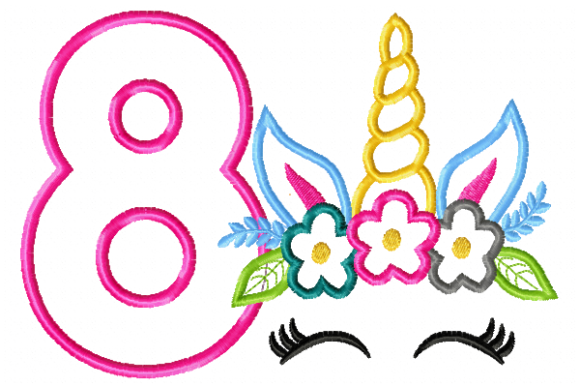
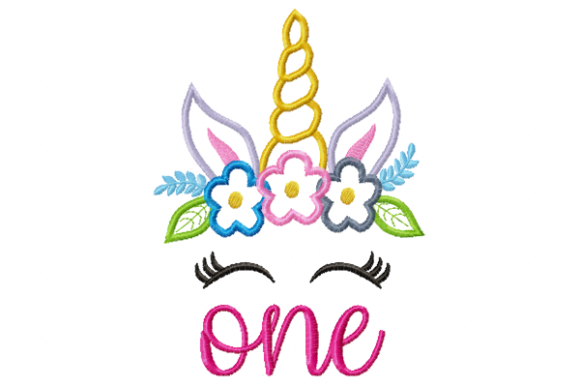
When I first loaded the preview of Unicorn Face One, the immediate vibe was pure, unadulterated charm. It leans heavily into the cute and soft aesthetic rather than the bold or edgy trends often seen in modern streetwear. For a craft fair environment, this is a strategic advantage. Parents browsing handmade goods are often looking for something sweet for their kids' Birthdays or special occasions. The design feels approachable and friendly, lacking the aggressive complexity that can sometimes intimidate buyers looking for quick, giftable items.
However, the "One" in the title suggests there may be variations, so clarity on which version you are using is key. As an experienced designer, I look for balance. Does the face have enough character to stand alone on a tote bag, or does it need surrounding elements? In its current iteration, Unicorn Face One appears to work best as a focal point. It has the potential to elevate a simple cotton item into a premium-looking handmade product without overwhelming the fabric texture.
Product Placement: Where Does It Shine?
The description notes that this design is perfect for shirts, but in my experience with Etsy sellers and boutique makers, limiting your scope to just t-shirts is a missed opportunity. To maximize sales at a physical booth, you need variety. Here is how I plan to utilize Unicorn Face One across different inventory:
- Tote Bags: A large-scale application on a canvas tote bag design works beautifully. The sturdy fabric holds the stitch density well, and the size allows the unicorn's features to pop from across the room.
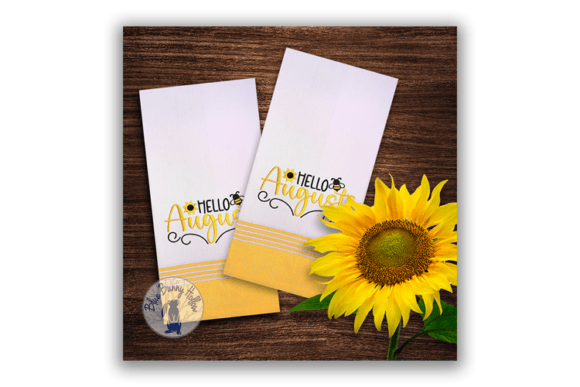
- Kitchen Textiles: Tea towel embroidery and aprons are high-movers. Placing this design on a neutral linen tea towel creates a delightful contrast. It transforms a utilitarian item into a whimsical kitchen accent.
- Embroidered Patches: For those who prefer appliqué or iron-on options, creating an embroidered patch version of Unicorn Face One allows customers to customize their own denim jackets or backpacks later.
- Small Accessories: Caps and small fabric pouches require careful sizing. If the design scales down well, these become excellent impulse buys for the end of the shopping trip.
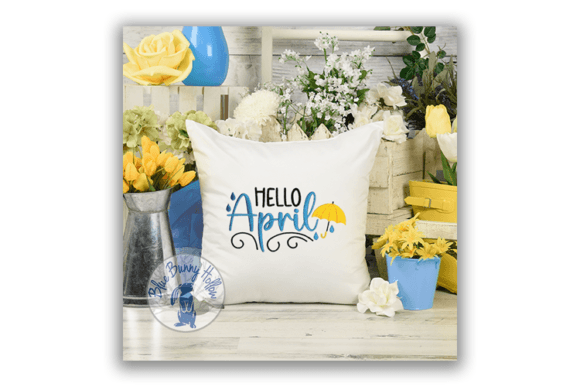
- Pillow Covers: Soft home decor is always a seller. A single face centered on a pillow cover makes for a stunning nursery piece.
Production Reality: Stitch Density and Fabric Texture
Before I run a hundred units, I must address the practicalities of production. A beautiful digital file does not guarantee a flawless finished product. When reviewing Unicorn Face One, I pay close attention to the stitch density. Unicorn designs often feature manes and horns that can get dense quickly. If the stitches are too tight, the fabric can pucker, especially on thinner materials like jersey shirts or lightweight cotton.
I also consider the thread colors against the background. On dark fabrics, the white or pastel threads typical of unicorn designs might lose definition if the saturation isn't high enough. Conversely, on textured towels, tiny details like eyes or nostrils can get lost in the weave. This is why I always recommend testing the design on scrap fabric first. Check the hoop size requirements to ensure the entire face fits within your machine's capacity without re-hooping, which can lead to misalignment.
For curved surfaces like caps, the design must be robust. Unicorn Face One should be evaluated to see if the curves of the cap distort the straight lines of the horn or the symmetry of the face. If the design relies on very fine lines for the mane, it might blur on a textured surface. Always inspect the design assets to ensure the smallest details are viable for your specific production method.
Selling Strategy: Visual Appeal and Customer Engagement
In a crowded marketplace, visual appeal dictates value. Unicorn Face One has the potential to serve as a strong brand identifier for a shop focused on children's gifts. When displayed correctly, it draws the eye. I plan to create a tiered display where the embroidered patches sit at eye level, while the larger tote bags and pillow covers anchor the table.
Photography is equally critical for online listings. Because this design is cute and colorful, it photographs exceptionally well. Using a printable mockup to showcase the design on various products before stitching them all can save time and money. However, nothing beats a photo of the actual commercial embroidery on a real product. The texture of the thread adds a tactile quality that photos must capture to convince a buyer of the handmade quality.
For the small shop product owner, consistency is key. If you decide to sell items featuring Unicorn Face One, ensure the color palette remains consistent across your line. This builds brand recognition. Whether it is an apron embroidery or a shirt, the cohesive look tells the customer they are buying from a professional source.
Practical Designer Notes for Success
To ensure your venture with this digital embroidery file is successful, follow these essential steps:
- Test Run: Never skip the test on scrap fabric. Check for puckering and thread breaks.
- Stabilizer Choice: Use the right stabilizer for your fabric weight. Heavyweight items need cutaway; lightweight items need tear-away or water-soluble backing.
- Licensing Check: Before selling any craft fair product, confirm the commercial licensing terms of the embroidery file. Ensure you are allowed to sell finished goods and not just the digital download.
- Mockups: Create at least one real mockup for every product type you intend to sell to verify the scale and placement.
- Color Contrast: Compare fabric colors against the thread chart to ensure visibility and vibrancy.
Ultimately, Unicorn Face One offers a versatile foundation for a range of Embroidery projects. Its charm aligns perfectly with the seasonal demand for children's gifts and birthday presents. By carefully managing production details like stitch density and fabric choice, you can turn this design into a top-selling item that enhances your booth's appeal and strengthens your reputation as a maker of high-quality goods. With the right execution, this design will not just hang on a wall; it will find a happy home in a child's life, making your hard work at the craft fair truly worthwhile.