April Embroidery Design: A Craft Fair Review
As I set up my booth for the upcoming weekend craft fair, the table is already a mosaic of potential bestsellers. There are rows of embroidered tote bags, crisp white aprons, soft tea towels, and a stack of colorful patches waiting to be pinned onto denim jackets. In this competitive landscape of handmade products, every design asset must earn its place on the display. Today, I am putting April, a new month-themed machine embroidery design, through a rigorous real-world test. The goal is simple: determine if this digital file can transform into a profitable craft fair product that stops customers in their tracks.
First Impressions: Capturing the Essence of April
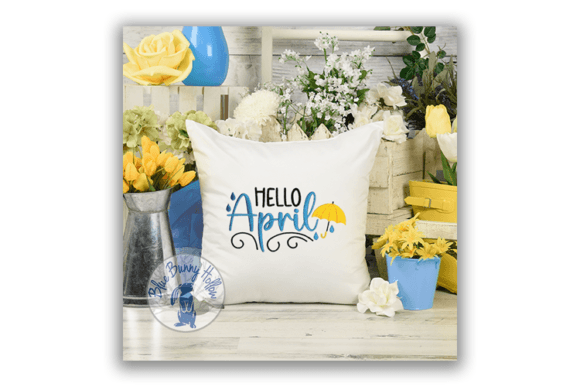
When I first loaded the April embroidery file into my software, the immediate impression was one of delicate elegance mixed with rustic charm. It does not scream "loud" or "festive"; instead, it whispers sophistication. For a design centered around the concept of Birthdays or simply celebrating the season, April feels fresh and inviting. It captures the essence of spring renewal without being overly cliché. The lines appear clean, suggesting a style that fits well within the modern farmhouse aesthetic currently dominating the handmade market. However, first impressions on a screen rarely translate perfectly to thread and fabric, which is why the physical production phase is critical for any serious Etsy seller or boutique maker.
Product Performance Across Handmade Goods
To truly judge the viability of April as a commercial embroidery product, I tested it across several key items found at my booth. The results varied significantly based on the substrate and the intended use.
- Tote Bag Design: On a natural canvas tote bag, the design stood out beautifully. The contrast between the earthy fabric and the vibrant thread colors made the piece pop from three feet away. This is a strong contender for a high-volume item because it balances durability with visual appeal.
- Apron Embroidery: Placing April on the bib of a linen apron gave it a premium feel. It felt like a thoughtful gift for a home cook or a hostess. The scale worked well here, allowing the details to breathe without overwhelming the garment.
- Tea Towel Embroidery: This was a tricky application. While the design looked lovely on a smooth cotton towel, the textured weave of some kitchen linens threatened to obscure finer details. If you choose this route, ensure your stabilizer is robust enough to handle the pull of the loops.
- Embroidered Patch: Converting April into a patch was highly successful. Patches are excellent for impulse buys at craft fairs. The design held its shape well, and the backing felt sturdy. Customers often gravitate toward these small shop products because they are affordable yet personalized.
- Caps and Small Pouches: Here, caution is needed. Curved cap surfaces can distort the symmetry of the design if the hoop size is not managed correctly. Similarly, on small fabric pouches, the design risked looking too dense. These applications require careful scaling.
Visual Appeal and Customer Engagement
In the chaos of a busy market, a finished product has seconds to capture attention. April succeeds in creating a focal point when used correctly. Its soft, decorative nature invites touch; customers are drawn to run their fingers over the raised stitches. This tactile engagement is crucial for handmade quality perception. When displayed alongside other birth-month designs, April offers a cohesive look that encourages brand consistency. It signals to the buyer that this is a curated collection, not just random stock.
For online listings, such as on Etsy, the design photographs exceptionally well. The intricate details catch the light, making printable mockups and actual photos look professional. This visual strength directly correlates to higher perceived value. A customer is more likely to pay a premium for an item that looks meticulously crafted, and April delivers that promise when executed with care.
Practical Selling Points for Batch Production
From a business owner's perspective, efficiency is key. Does April work for batch production? Yes, provided you manage the workflow. The design is straightforward enough to understand at a glance, reducing setup time between runs. However, unlike simpler monogram files, it requires a bit more precision in hooping to maintain alignment. If you plan to produce large quantities, consider using a multi-head machine or setting up a dedicated station to streamline the process. The design is repeatable, meaning you can create a consistent line of products without worrying about significant variations in stitch quality.
Designer Notes: Critical Considerations for Success
While April is a promising asset, it is not without its challenges. As an experienced designer, I cannot stress enough the importance of testing before committing to a full production run. Here are the specific areas where this design demands attention:
- Dense Stitch Areas: Some sections of the design have higher stitch density. On thick fabrics like heavy denim or fleece, this can cause puckering. Always test on scrap fabric first to adjust tension.
- Tiny Details and Lettering: If the design includes text or fine floral elements, shrinking the hoop size can make them illegible. Avoid scaling down below 75% of the original size unless you are prepared to lose clarity.
- Fabric Texture: Textured towels or napped fabrics can hide the definition of the threads. Use a lighter thread color on dark fabrics or vice versa to maximize contrast.
- Stabilizer Choice: Do not skimp on the stabilizer. For items like caps or curved surfaces, a cutaway stabilizer is essential to prevent distortion. For flat items like pillow covers, a tear-away might suffice, but a top layer of water-soluble film could protect delicate satin stitches.
- Thread Colors: The magic of April lies in its color palette. Experiment with different thread combinations to match seasonal trends. Pastels work for spring, but a bold navy or burgundy version could sell well as a year-round birthday gift.
Licensing and Commercial Viability
Before you list your first item, verify the licensing terms of the digital embroidery file. Ensure you have the right to sell finished products containing the April design. Many designers offer specific commercial licenses for small businesses, while others restrict usage to personal projects only. Ignoring this can lead to legal issues that could shut down your Etsy shop or craft fair presence. Once cleared, this design becomes a powerful tool for growing your brand.
Final Verdict: Is April Worth the Booth Space?
After reviewing the design through the lens of a craft fair seller, April earns a spot on the table. It strikes a perfect balance between artistic merit and commercial practicality. It elevates standard items like tote bags and tea towels into giftable treasures. Whether you are a seasoned embroidery business owner or a creative entrepreneur just starting out, this month-themed design offers a versatile foundation for your next collection.
The key to success lies in execution. By paying attention to stitch density, choosing the right fabric texture, and ensuring high-quality thread contrast, you can turn this digital file into a standout handmade product. In a sea of mass-produced goods, a thoughtfully embroidered piece featuring April tells a story of care and craftsmanship that buyers are eager to support. So, load the file, test on a swatch, and get ready to watch your sales bloom this season.