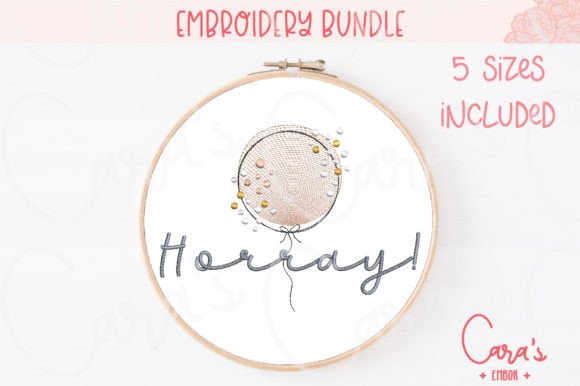
Horray: A Professional Embroidery Design Review
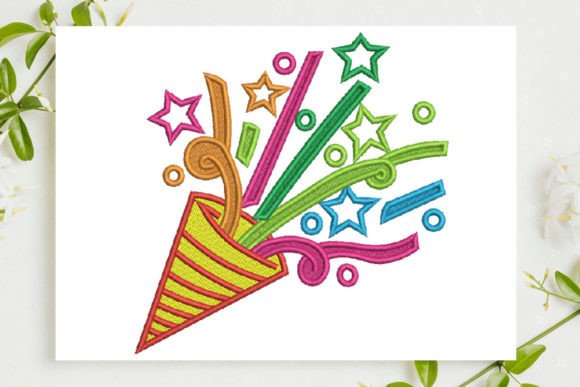
As an embroidery designer who has spent years translating digital files into tangible brand assets, I approach every new design with a critical eye. When I first opened the file for Horray, my immediate goal was to determine if this whimsical concept could withstand the rigors of commercial production. The description promises a joyful way to celebrate every moment, but for small business owners and apparel decorators, "whimsical" must never come at the cost of professionalism. After running several test stitches and visualizing this machine embroidery design across various product lines, I can confirm that Horray is a versatile asset that bridges the gap between playful branding and high-quality merchandise.
First Impressions: Visual Personality and Brand Fit
The initial impression of the Horray design is one of energetic positivity. It feels less like a rigid corporate logo and more like a genuine expression of excitement. For boutique owners, handmade brands, and Etsy sellers, this personality is gold. In a market saturated with minimalist and often cold aesthetics, a design that radiates warmth can significantly boost buyer engagement. However, the key to success lies in how you deploy it. While the design is inherently friendly and bold, its application determines whether it elevates your brand identity or dilutes it. For a bakery celebrating a grand opening, a florist creating event decor, or a pet brand launching a new line, Horray serves as an excellent emotional hook. It signals that your business values celebration and community, making it a strong candidate for customer gifts and event merch.
Strategic Applications for Small Business Merchandise
When evaluating Horray for real-world business use, I focused on its adaptability across different product categories. This is not just a decoration; it is a functional brand asset. Here is how I see this design performing in specific commercial scenarios:
- Embroidered Patches: The clean lines of Horray make it an ideal candidate for woven or embroidered patches. These can be sold as standalone items or attached to denim jackets, tote bags, and backpacks. The design holds up well when isolated, allowing it to function as a badge of honor for customers who support your brand.
- Staff Uniforms and Apron Embroidery: For cafés and creative studios, placing Horray on the chest pocket of a work shirt or the bib of an apron adds a touch of approachability. It transforms a standard uniform into a welcoming statement. The design is large enough to be legible from a few feet away but compact enough not to overwhelm the wearer.
- Cap Embroidery: On the front of a baseball cap, Horray works beautifully as a central focal point. Because the design is balanced, it does not distort easily on the curved surface of a cap, ensuring the message remains clear and professional.
- Tote Bag Design and Custom Apparel: As a tote bag mark, this design stands out against canvas textures. It is perfect for farmers' markets, craft fairs, or as a branded giveaway. The versatility allows it to pair well with other text or smaller logos without clashing.
- Product Packaging Accents: Imagine a small fabric tag attached to a handmade product label featuring Horray. This subtle detail elevates the perceived value of the finished product, suggesting care and attention to detail.
Critical Considerations for Production Success
While Horray is robust, there are specific areas where caution is required to maintain quality. As a designer, I advise against using this file without testing it on your specific materials first. The following factors are crucial for ensuring the final result meets professional standards:
Size and Stitch Density
One common pitfall with celebratory designs is shrinking them too much. If you attempt to use Horray for tiny lettering or very small patch sizes, the stitch density may become too high, leading to puckering or thread breakage. Always check the minimum size recommended by the creator. For cap fronts or sleeve details, ensure the design is scaled appropriately so the details remain crisp. High stitch density on textured fabric can cause the threads to sink in, reducing visibility. Conversely, on smooth fabrics, the design will pop, enhancing the visual impact.
Fabric Texture and Stabilizer Use
The performance of any embroidery file depends heavily on the substrate. When applying Horray to dark uniforms or heavy denim, you must use a proper stabilizer to prevent distortion. Lighter fabrics may require a cutaway stabilizer to support the weight of the thread, especially if the design includes dense fill areas. Always test on a scrap piece of the actual fabric you intend to use. This step is non-negotiable for maintaining the integrity of your brand image.
Thread Colors and Contrast
The joy of Horray comes from its color palette. However, for commercial embroidery, contrast is king. If you are embroidering this on a navy blue cap, a white or bright yellow thread choice will maximize visibility. Avoid low-contrast combinations that might make the design blend into the background. Review thread colors carefully to ensure they align with your existing design assets and brand guidelines.
Impact on Brand Identity and Customer Trust
Incorporating Horray into your merchandise strategy goes beyond simple decoration; it influences how customers perceive your business. A well-executed digital embroidery file communicates quality and consistency. When a customer receives a tote bag or wears a shirt with a professionally stitched Horray design, it reinforces their trust in your brand. It suggests that you invest in premium materials and skilled craftsmanship. This visual consistency across your products—from custom apparel to event merch—builds recognition and loyalty. For handmade product creators, this level of detail distinguishes your work from mass-produced alternatives, adding significant value to your offerings.
Practical Designer Notes for Implementation
Before you commit to a full production run, follow these practical steps to ensure the best outcome:
- Test in Black and White: Run a test stitch in a single color first. This helps you identify any issues with spacing, pull compensation, or underlay before investing in expensive multi-color thread changes.
- Confirm Hoop Size: Ensure your machine hoop can accommodate the design dimensions without needing to re-hoop mid-stitch, which can lead to registration errors.
- Create a Printable Mockup: Before sending the file to the client or producing the batch, create a high-resolution mockup. This allows stakeholders to visualize the design on the actual product and approve the placement.
- Verify Commercial Licensing: Always confirm the licensing terms of the digital embroidery file. Ensure you have the right to use Horray for commercial embroidery projects, including selling finished goods. Do not assume free personal use licenses cover business applications.
- Compare with Other Assets: Place the Horray design next to your existing logos and typography. Does it complement your brand voice? Does it clash? Consistency is key to a cohesive brand identity.
Ultimately, Horray is a powerful tool for businesses looking to inject energy and positivity into their merchandise. Whether you are a local café owner updating staff aprons or an Etsy seller launching a new collection of Birthday-themed items, this design offers the flexibility to meet those needs. By respecting the technical requirements of embroidery and focusing on strategic placement, you can turn a simple design into a cornerstone of your brand's visual language. Celebrate your business growth with confidence, knowing that your merchandise reflects the same joy and professionalism you bring to your craft.