Square Pencil Monogram: A Practical Designer’s Take for Real Embroidery Projects
First Impressions: Cute, Clear, and Classroom-Ready
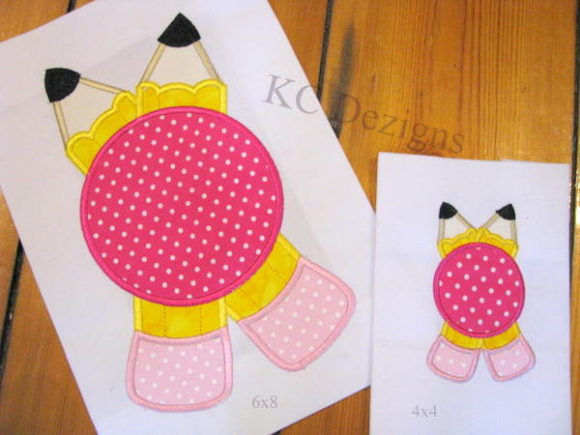
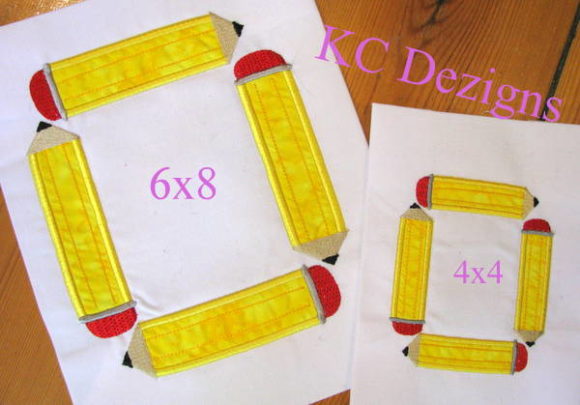
The Square Pencil Monogram lands somewhere between playful and polished. It's got that back-to-school charm without veering into overly childish territory. The pencil motif is simple but distinct, and the square framing gives it a clean, structured layout that works well for monogramming. It reads as friendly and functional — perfect for personalized tote bags, embroidered backpack tags, or custom sweatshirts.
As a designer who regularly evaluates embroidery files for client work and product listings, I appreciate how this design avoids the trap of being too busy. The applique technique adds visual interest without complicating the stitch-out too much. The satin-stitched pencil details and soft fill stitches in the square background suggest it can hold up on a variety of fabric types, assuming you use the right stabilizer and thread contrast.
Real-World Use: Where It Shines and Why It Matters
I recently tested the Square Pencil Monogram on a custom tote bag project for a boutique client who wanted a subtle but recognizable design for their back-to-school line. The result was clean, readable, and just the right size to catch attention without overwhelming the fabric. It stitched out quickly and held its shape well on medium-weight cotton canvas.
It also worked surprisingly well on a baby onesie. The square format gave it a modern, almost minimalist feel that stood out from the usual cursive monograms. The pencil detail added a subtle educational nod without being too literal. For Etsy sellers or small shop owners, this kind of design translates well into digital product previews and printable mockups.
On a sweatshirt sample, the monogram maintained clarity even with a slightly stretchy knit. The key was using a medium-weight cutaway stabilizer and checking the thread color contrast — a darker thread on light fabric made the pencil details pop. It also looked great on a patch — the square framing made it easy to cut out and attach to backpacks or caps.
Where to Be Careful: Fabric, Size, and Detail Limitations
While the Square Pencil Monogram performed well in most cases, there are a few scenarios where caution is necessary. On thin cotton like muslin or voile, the satin stitches can pucker if you’re not careful with tension and stabilizer use. The same goes for stretchy fabrics — the pencil’s thinner lines may distort slightly if the hoop isn’t tight enough or the backing isn’t sufficient.
Dark fabrics also require a second look. The lighter thread options used in some applique areas may not show up as clearly, especially if the design file doesn’t include underlay stitches. I recommend testing on black or navy fabric with white or light gray thread to see how the pencil’s shape holds up before committing to a full run.
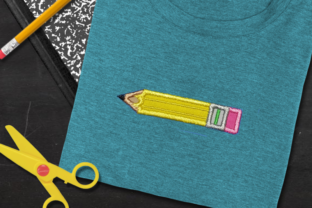
One of the smaller hoop sizes also limited the amount of detail visible in the pencil’s eraser and writing tip. For younger children’s clothing or baby items, that’s fine — clarity isn’t as crucial. But for commercial embroidery or boutique branding, you’ll want to ensure the design is large enough to read and recognizable at a glance.
Visual Appeal and Product Value: Does It Elevate the Finished Item?
Yes — but with conditions. The Square Pencil Monogram elevates a product when used thoughtfully. On a custom embroidered pillow cover for a teacher gift set, it added a touch of personality without feeling forced. The square layout also made it easier to align with other design elements like borders or corner accents.
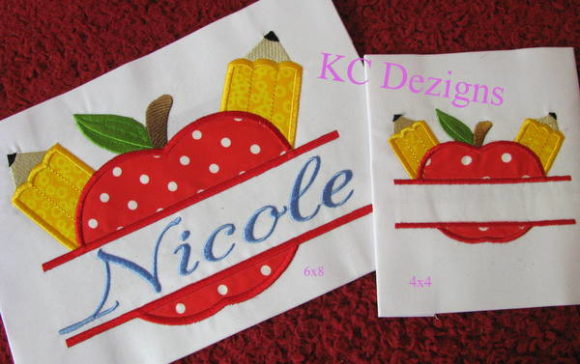
For Etsy sellers or digital product creators, this design works well as part of a themed collection. It pairs nicely with other school-related motifs — books, apples, rulers — and can be used across multiple product types: from holiday gifts to graduation keepsakes. As a standalone piece, it still holds its own, especially when stitched in a contrasting color that complements the base fabric.
From a branding standpoint, the monogram format makes it ideal for small business merchandise. A local tutoring center or school supply shop could easily incorporate it into their branded tote bags, aprons, or staff uniforms. It’s professional enough for that setting, yet still approachable and friendly.
Designer Notes: What You Should Check Before Stitching
Before using the Square Pencil Monogram in your next project, here are a few practical checks I always run through:
- Test on scrap fabric first, especially if you're using a new stabilizer or thread combo.
- Check thread color contrast against both light and dark backgrounds to ensure the pencil details stand out.
- Verify stitch density — too tight, and it might pucker; too loose, and the pencil lines might not be clear.
- Confirm hoop size matches your machine and the intended placement — especially if you’re stitching on curved surfaces like caps.
- Inspect small details like the pencil tip and eraser to make sure they stitch cleanly without breaking threads.
- Test in black and white mockups to see how it looks without color influence — this helps with branding consistency.
- Use proper stabilizer based on your fabric type — cutaway for stretchy, tear-away for stable cottons.
- Review licensing if you’re selling finished items or including the design in digital product bundles.
It’s also worth noting that while the design is listed as a machine applique embroidery file, it should still be tested for durability — especially if the finished product will be washed frequently. A quick wash test after stitching can save you from disappointment later.
Final Thoughts: A Versatile Monogram for Real Embroidery Work
The Square Pencil Monogram isn’t flashy, and that’s exactly why it works. It’s a practical, well-structured design that fits into a wide range of embroidery projects — from personalized gifts to small business merchandise. As a designer, I appreciate how it balances simplicity with enough visual interest to stand out without overwhelming the product.
For crafters, Etsy sellers, and small shop owners, this design offers flexibility and brandable appeal. It’s easy to stitch, easy to sell, and easy to integrate into seasonal or themed collections. Just be sure to test it thoroughly for your specific use case and fabric type before launching into production.